
Swiss chair of Eureka: mid-term review, highlights and what lies ahead
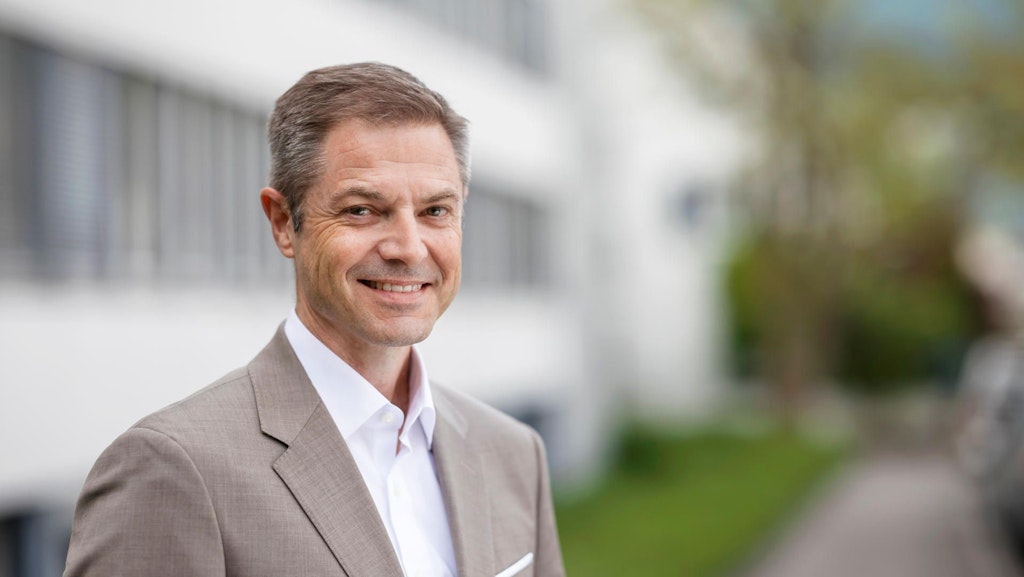
In July 2025, Switzerland assumed the role of chair of the Eureka innovation network for a year. In this time, it has been working to strengthen international cooperation between SMEs, start-ups and researchers under the motto “Innovating beyond borders”. After seven months, President Marc Pauchard is taking stock, pointing to the milestones attained and providing an outlook for the highlights to come in the second part of his term.
On 1 July 2025, Innosuisse assumed the role of chair of the international network Eureka on behalf of Switzerland for a period of one year, as mandated by the Federal Council. This international initiative, with its 47 members, promotes cross-border collaboration in innovation and pursues the objective of strengthening the competitiveness of companies – mainly SMEs – in the member countries through innovation projects. In addition, the aim is to promote the transfer of knowledge gained from research and to create new international value chains. For its year as chair, Switzerland has set itself strategic priorities with a view to making advances in international cooperation in innovation and in the Eureka organisational set-up.
Half a year has passed since Switzerland took over as chair, so it is already half-time. What successes have been achieved so far?
Marc Pauchard: In November, we welcomed 121 representatives from 38 countries to Zurich for a first network meeting. Among the participants, there were also members from countries outside Europe, including from Brazil, Chile, South Korea, Canada, Singapore and South Africa. At this network meeting, the extension of Chile’s association agreement with Eureka was signed off – underlining Eureka’s appeal beyond Europe’s borders.
In workshops and discussions, the representatives of the member states – which include the European Commission – worked on some key issues for the future. The focus was on Eureka’s future in the European innovation ecosystem, better networking among companies and researchers from different countries, and discussion of the challenges the network will face.
What challenges is Eureka currently confronted with?
Important issues that affect many member states include the competitiveness of SMEs, growth opportunities for scale-ups, the transition to a more sustainable economy and the strengthening of technological sovereignty. The aim of the latter is to enhance the resilience of a country’s economy and society in a context of global interdependencies by means of its own innovations.
Let us take a step back in time: Eureka was established in 1985 and celebrated its 40th anniversary in November. What does this anniversary mean for the network?
When Eureka was set up, the end of the Cold War was not yet in sight, and European countries got together to invest in consolidating their technological sovereignty. Now, 40 years later, we are once again witnessing a fragmentation in global politics and economics. We are confronted with far-reaching environmental and technological changes and a multitude of overlapping crises. So Eureka and its mission remain highly relevant. The anniversary is an opportunity for us to look back at Eureka’s impressive success stories. For example, the network has contributed to innovation milestones such as the development of the MP3 format. We have brought together a range of success stories from over 40 countries that we will be publishing in a book, and we will also be putting some of these on show at the Global Innovation Summit on May 6 May in Basel. In doing so, we are hoping to demonstrate how diverse innovation is and how important it is for the economy and society worldwide. We are building on these successes and working to ensure that Eureka can continue to make a significant contribution in the future.
You mentioned the Global Innovation Summit. What kind of meeting is it?
The Global Innovation Summit will be a major highlight of our year as chair. This is an international conference attended by around 1,000 delegates that is organised by Eureka on a regular basis. It is aimed at companies, start-ups and researchers looking to work together to develop innovative solutions.
The focus this year will be on innovations for the biotech industry. We will be looking to address both traditional players in biotech and partners in the fields of digitalisation, AI, automation, logistics and other associated technologies. The conference will take place just after Swiss Biotech Day.
What can delegates expect on the day? Who should not miss this event?
Planning is in full swing, and delegates can look forward to inspiring keynote presentations and engaging panel discussions. But that’s not all. The conference will be an opportunity to forge new contacts, to launch innovation projects with international partners and to obtain information while there about cross-border funding opportunities between the 47 countries. An important part of the Global Innovation Summit will therefore be the one-to-one matchmaking. So far, delegates from over 30 countries have signed up. We would like to offer Swiss representatives from SMEs, start-ups, large companies and research institutions the opportunity to network with these delegates in Basel.
Apart from the Global Innovation Summit, what will be the main focus areas in Switzerland’s second half of the year as chair?
We will be launching a Eureka call for projects in the area of biotech in order to leverage the momentum from the Global Innovation Summit and to fund new, innovative projects. So far, 15 countries have signalled their interest and promised funding. The partnership with the Swiss Biotech Association is very useful in terms of consolidating and strengthening collaboration with these countries in the long term. In addition, we intend to assist in promoting collaboration with other international partner organisations, such as the Enterprise Europe Network (EEN), and thereby supporting the initiation of projects. Lastly, we will be setting course for the future: in conjunction with the network and with Belgium, which will succeed us as chair, we will be drawing up the roadmap for 2026–30 and discussing how the funding portfolio and the organisational set-up should be optimised to ensure that Eureka is well positioned for the future – in keeping with the motto of the Swiss chair: “Innovating beyond borders – shaping the next decade together”.
Information: The Eureka call for projects in the field of biotechnology will be launched on 31.03.2026.